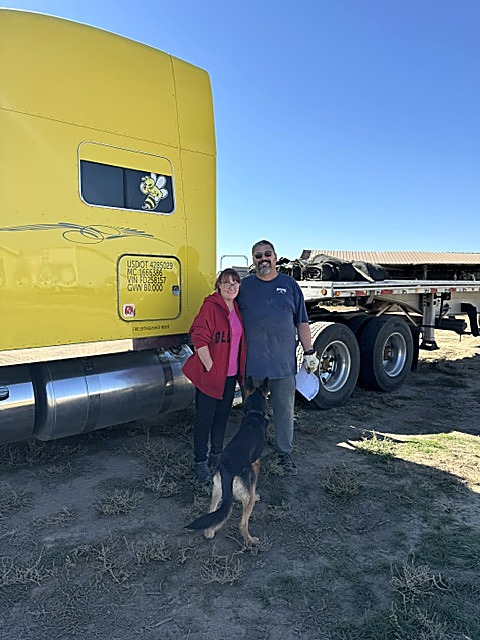
They call it the "Midnight Migration," but for me, it's just another Tuesday on the I-95. Except my cargo isn't produce or electronics. I'm hauling roughly 20 million honey bees.
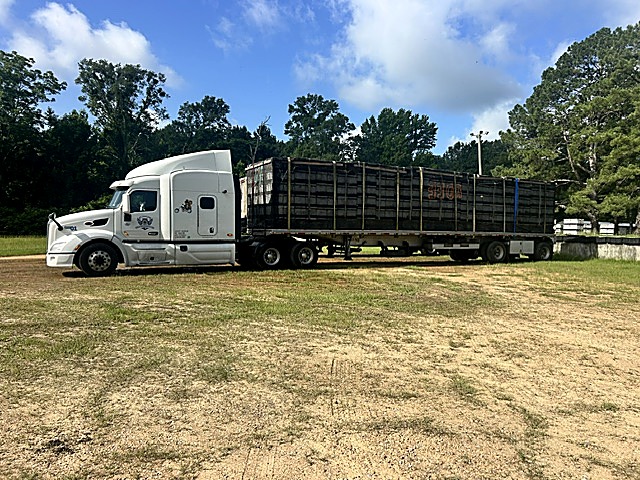
If you've ever seen a flatbed trailer wrapped in heavy-duty black netting parked at a truck stop in the dead of night, that was probably one of us. We are the unsung logistics of the agricultural world, moving the nation's most important pollinators from the citrus groves of Florida to the apple orchards of Washington and everywhere in between.
The Golden Rule: Don't. Stop. Moving.
Driving bees isn't like driving dry van. When you're hauling bees, the wind is your best friend and your primary cooling system.
Inside those hives, tens of thousands of bees are vibrating, generating heat. If I sit idle in the sun for more than fifteen minutes, the temperature inside those boxes can spike to lethal levels. To a bee, a stationary truck in 80-degree weather is an oven.
My schedule is the opposite of most truckers:
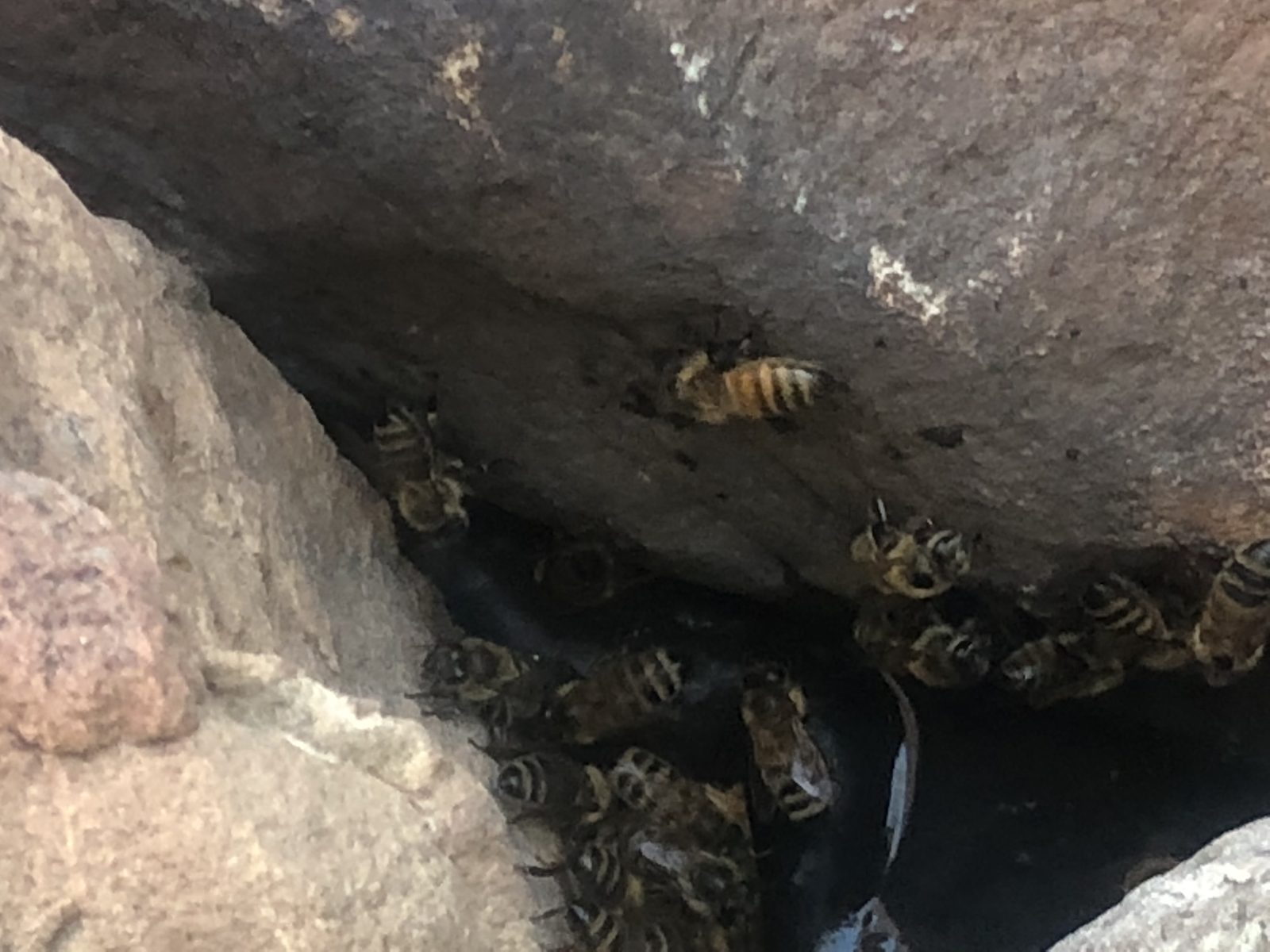
- Loading: We load at dusk. When the sun goes down, the foragers return to the hive. We smoke 'em to calm them down, forklift the pallets onto the deck, and strap them tight.
- The Run: I drive through the night. The cool air keeps them clustered and quiet.
- The "Short Stop": If I have to fuel up during the day, it's a tactical strike. I find a station, fuel fast, and get back on the highway. Why? Because the moment the airflow stops, the bees start thinking about leaving. Even with the netting, if they sense the truck has stopped, they'll start "boiling" out of the hive entrances.
Pro-Tip from the Road: If I'm forced to stop in the heat, I carry a pressurized water hose. I'll mist the netting down. The evaporation mimics a swamp cooler and keeps the colony from "melting" down.
Why the Cross-Country Commute?
People ask why we put the bees through the stress of a 1,500-mile trip. The answer is simple: Seasonal Survival.
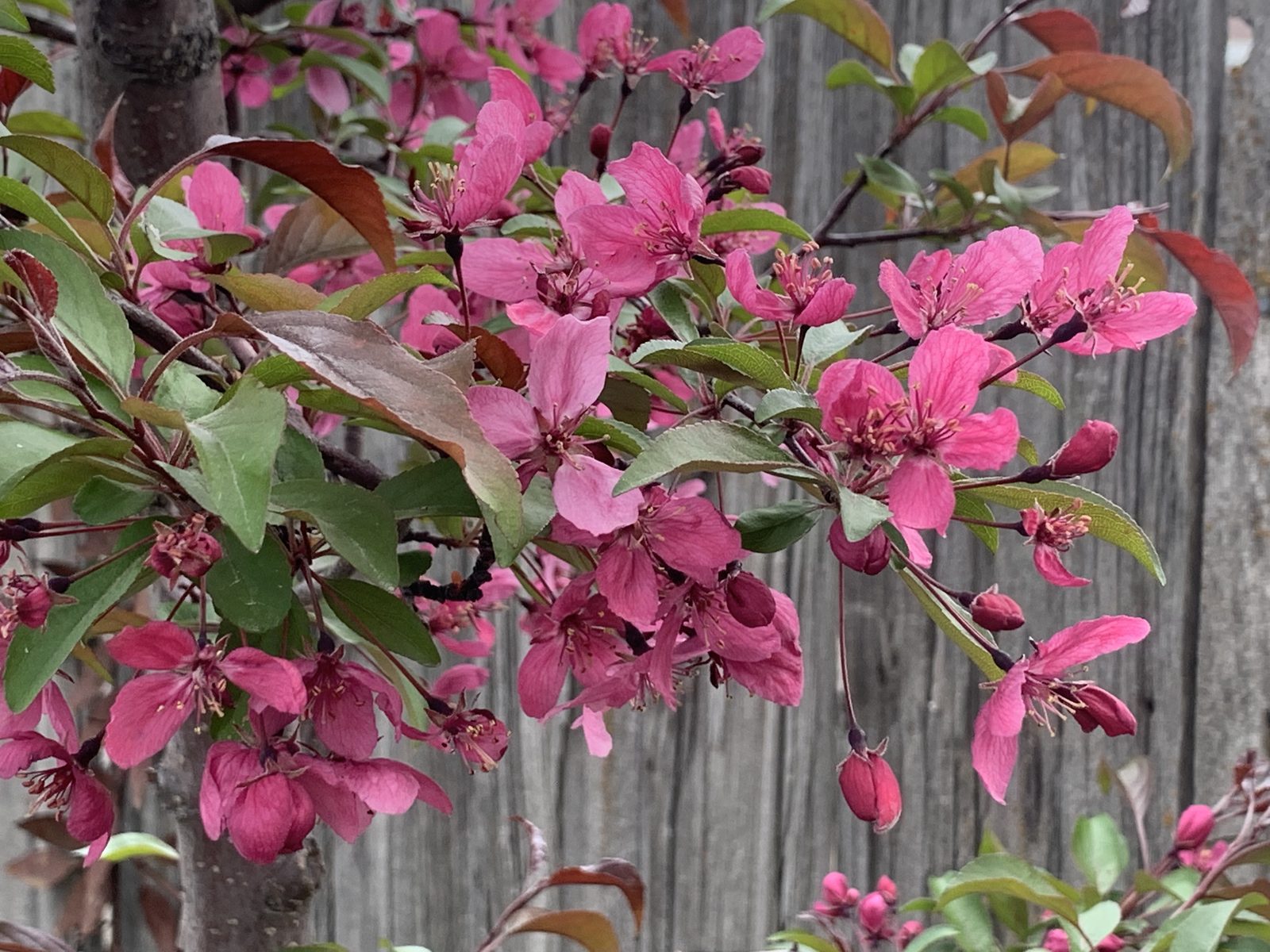
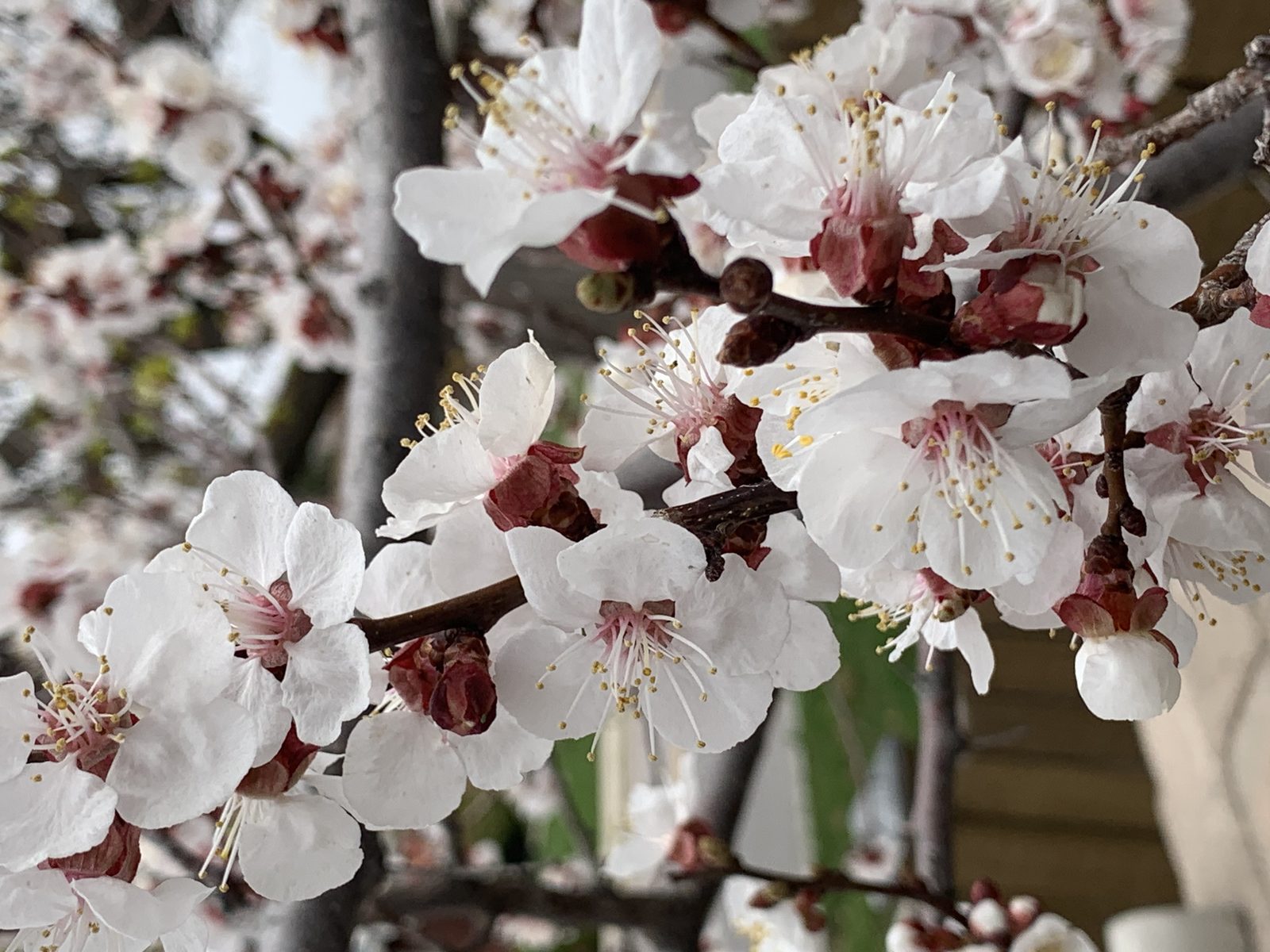
In the winter, the North is a graveyard for bees. We move them south to places like California or Florida where they can "overwinter" in a dormant but safe state. Come spring, we're the first ones on the road, chasing the "bloom." We follow the blossoms north like a slow-moving wave of white and pink petals.
The Shadow of Colony Collapse
I see the reality of Colony Collapse Disorder (CCD) more than most. Sometimes I'll deliver a load, and the beekeeper looks like they've seen a ghost. A hive that was thriving three months ago is suddenly a "ghost town" — plenty of honey, a queen, but the workers just... vanished.
Scientists point to a "perfect storm" of stressors:
- Pesticides: Neonicotinoids scramble their "GPS," making it impossible for foragers to find their way home.
- Varroa Mites: Tiny vampires that suck the life out of larvae.
- Transport Stress: Even with the best driving, the vibration and lack of forage for three days takes a toll.
Every time I look in my rearview mirror at those netted stacks, I'm reminded that if these girls don't make it, your grocery store shelves look a lot emptier. No bees, no almonds. No bees, no blueberries.
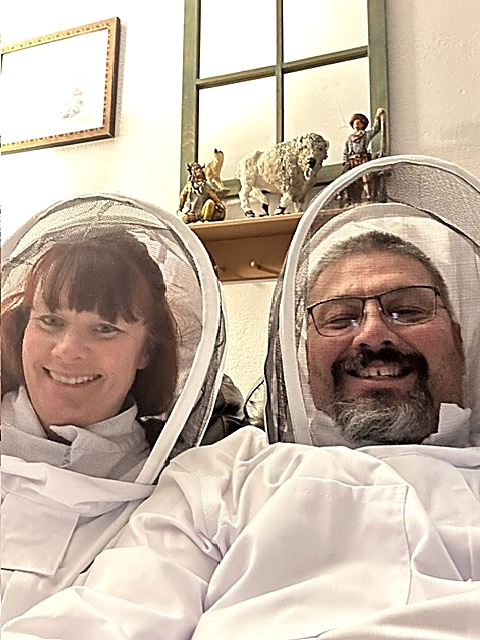
A note from Eric, owner of Green Thumb Guys: When I was a kid, I used to raise ladybugs and praying mantises myself — ordering them early enough that they'd hatch right on schedule, then releasing them into our yard every spring. There was something about knowing I was adding more life to a place, not just maintaining it, that stuck with me. Biodiversity has only gotten more fragile since then, and pollinators are one of the clearest signs of how a landscape is really doing. That's part of why we're starting this series — and part of why so much of what we build and plant is meant to give these creatures somewhere to actually thrive.
What's Next?
Transport is just one piece of the puzzle. Next week, we're going to dive deeper into the Biology of the Bloom — how beekeepers prep these "athletes" for the massive task of pollinating millions of acres of almonds in just a few short weeks.
What should we cover next?
Should we dig into the "Almond Rush" in California, or the science of how bees navigate during pollination? Let us know on Instagram or Facebook — we'll pick the winner for Part 2.