Resources
Plant Care Guides
Everything you need to keep your Green Thumb Guys plants thriving — indoors, outdoors, and everywhere in between.
Everything you need to keep your Green Thumb Guys plants thriving — indoors, outdoors, and everywhere in between.
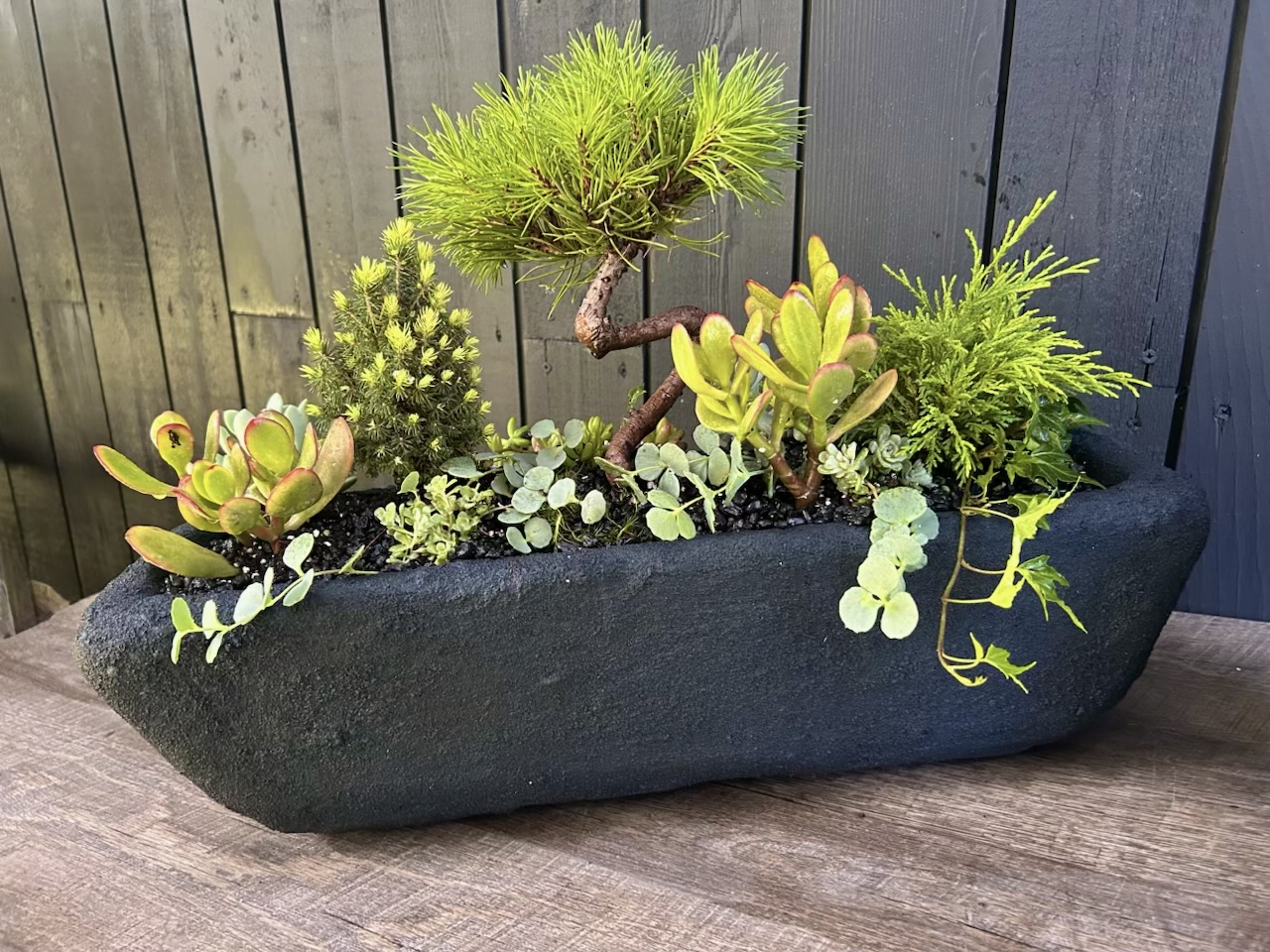
Bring your succulents indoors with confidence — these are the essentials for healthy growth on shelves, windowsills, and tabletops.
⬇ Download & Print (PDF) — Indoor & OutdoorLight: Succulents are solar-driven plants. Place them in a brightly lit room where they can receive 6 or more hours of indirect sunlight daily. To encourage symmetrical, even growth, rotate the plants every couple of weeks.
Watering: Patience is essential. Wait until the soil is completely dry before watering, which typically takes 7 to 10 days. It is always safer to err on the side of under-watering rather than overwatering. Apply water directly to the soil and avoid misting the foliage.
Soil: A highly porous environment is key. Use a fast-draining cactus or succulent soil mix cut with sand, pumice, or perlite. We recommend replacing this soil yearly to refresh the nutrient profile, and adding a top layer of pebbles to act as a clean, functional mulch.
Containers: Proper drainage is non-negotiable to prevent root rot. Terra-cotta pots are an excellent choice for beginners; the porous, clay-brown material breathes and dries out quickly, naturally reducing the risk of watering mistakes.
Fertilizer: During the active summer growing season, a single application of worm castings or a diluted, balanced fertilizer provides sufficient nourishment.
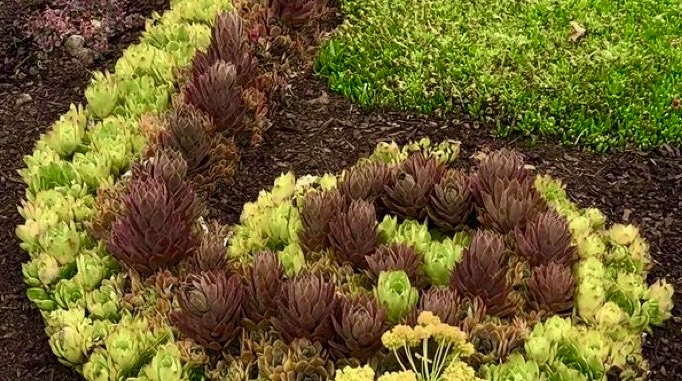
From park strips to rock gardens, here's how to keep outdoor succulents thriving through Utah's heat, cold, and everything between.
⬇ Download & Print (PDF) — Indoor & OutdoorSunlight: Provide at least 6+ hours of direct sunlight daily; some varieties tolerate partial shade.
Water: Water deeply but infrequently. Established hardy succulents often thrive on rainfall alone.
Soil: Plant in sandy, rocky, or other well-draining soil. Avoid heavy garden soils that stay wet.
Containers: If potted, ensure drainage holes. Stone or concrete pots are best outdoors because they withstand freezes and don't tip over easily. Avoid ceramic or plastic that hold winter moisture — use a fast-draining cactus/succulent soil mix with sand, pumice, or perlite, replaced yearly to refresh nutrients.
Fertilizer: Apply worm castings and/or a slow-release fertilizer once or twice a year to enrich soil and support growth.
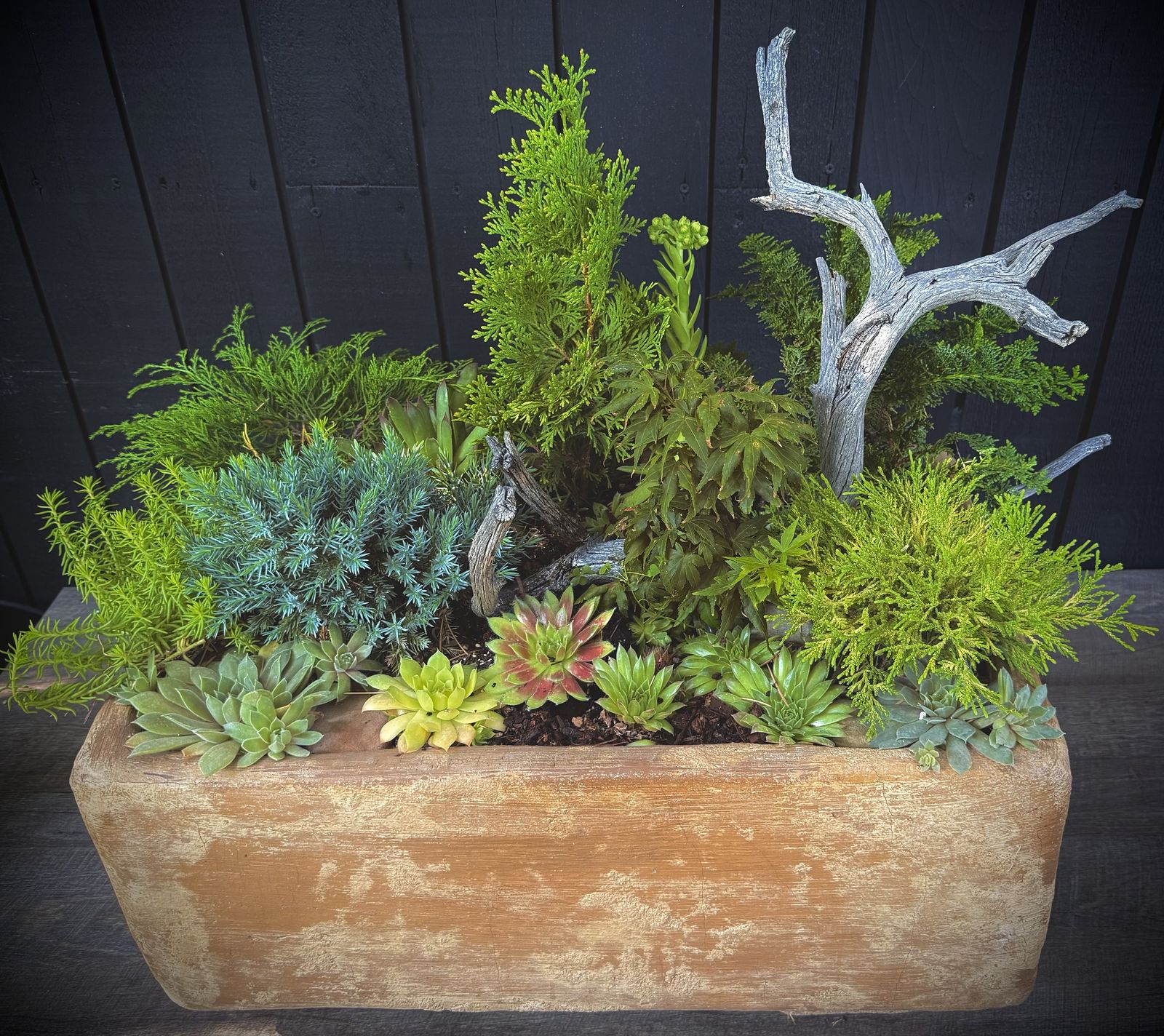
ISELI Nursery Fanciful Gardens® Collection consists of specially selected miniature and dwarf conifers, Japanese maples, and alpine companion plants designed for container gardening, rock gardens, and small troughs. Because these premium, slow-growing plants are usually grown in small 4-inch pots or combined into pre-arranged planters, they require precise moisture management and protection compared to standard landscape trees.
⬇ Download & Print (PDF)Excellent Drainage: Ensure your pot, trough, or container has adequate drainage holes. Standing water will quickly cause root rot in these miniature varieties.
Potting Mix: Use a high-quality, lightweight, well-draining potting soil. Mixing in coarse sand or perlite can significantly improve drainage for alpine or conifer varieties.
Root Prep: When transplanting out of the small "Fancy 4" grower pot, gently loosen the outer roots. If it is tightly root-bound, make light vertical cuts along the sides and bottom of the root ball to encourage outward growth.
Controlled Sun Exposure: Most dwarf conifers in this collection thrive in full sun to partial shade, while delicate Japanese maples or specific alpine companion plants prefer protection from intense, scorching afternoon sun.
The "Touch Test" for Water: Small containers dry out rapidly. Water deeply whenever the top inch of soil feels dry. Soak the container until water runs out of the bottom holes, but never let the pot sit directly in a water-filled saucer.
Winter Protection: Because container soil freezes completely through much faster than the ground, pots kept outdoors in freezing climates need protection. Wrap the containers in burlap, mulch them heavily, or move them to an unheated garage or protected patio for the winter.
No Heavy Pruning Needed: These plants are selected specifically for their naturally tight, compact, and extremely slow growth habits. Pruning is rarely necessary unless you are removing dead twigs or intentionally training them for bonsai shapes.
Minimal Fertilizer: Apply a very diluted, slow-release, balanced fertilizer once in the early spring. Over-fertilizing miniature plants can cause them to lose their compact shape or burn their confined root systems.
Something not covered here, or a plant acting up? Reach out and we'll walk you through it.